
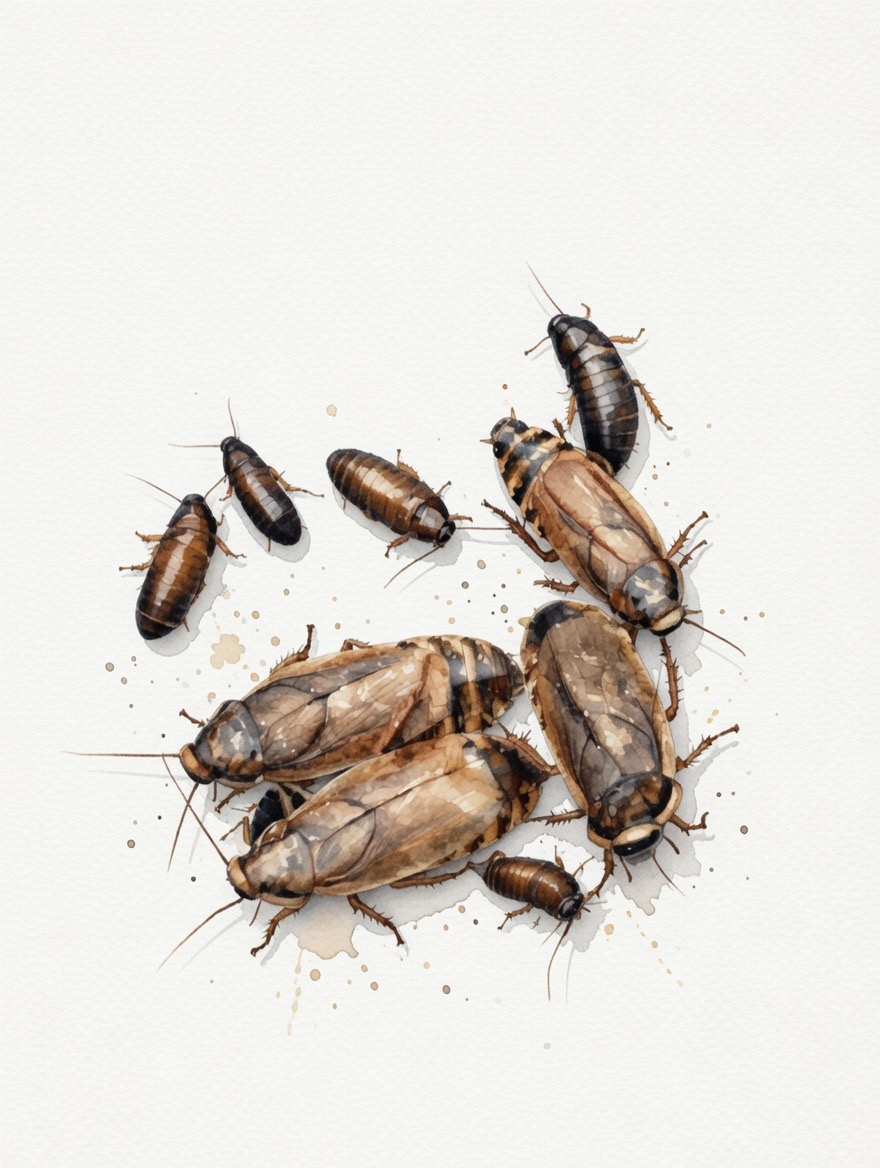
Key Information & Care:
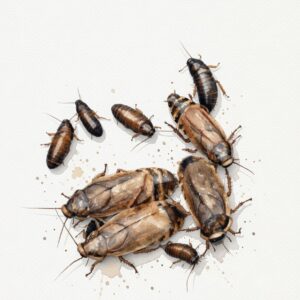
- Appearance & Size: Ashy gray with mottled markings and a “lobster-like” design on their thorax.
- Breeding: Prolific breeders that produce 20–30 live young (nymphs) roughly every month.
- Climbing/Flight: Excellent climbers on glass and plastic. They have wings but do not fly, though they may flutter.
- Escape Management: Apply a thick layer of Vaseline, petroleum jelly, or olive oil around the top inner edge of their container to prevent escape.
- Temperature: Thrives in heat, ideally 85 – 95∘𝐹, though they can survive in lower temperatures (70 – 74∘𝐹).
- Diet: Easy to feed; they eat commercial roach diets, dog food, cat food, and fish flakes, along with fruits and vegetables.
- Hydration: Use water crystals or gel to prevent drowning.
- Housing: Require hiding spots like egg crates, bark, or toilet paper rolls.
Benefits as Feeders:
- High Nutritious Value: Soft-bodied with a high meat-to-shell ratio.
- No Strong Odour: They do not produce a strong smell, unlike some other feeders.
- Quick Turnover: They mature relatively quickly, around 3–4 months.
- Great food: Reptiles, large tarantulas, or large centipedes, Lobster Cockroaches caters to all of them. They have a relatively soft exoskeleton compared to other winged cockroach feeders.
Risks:
- Invasive Potential: Because they are fast and breed easily, they have the potential to infest a home if they escape, unlike some other popular feeder roaches.
Reviews
There are no reviews yet.